

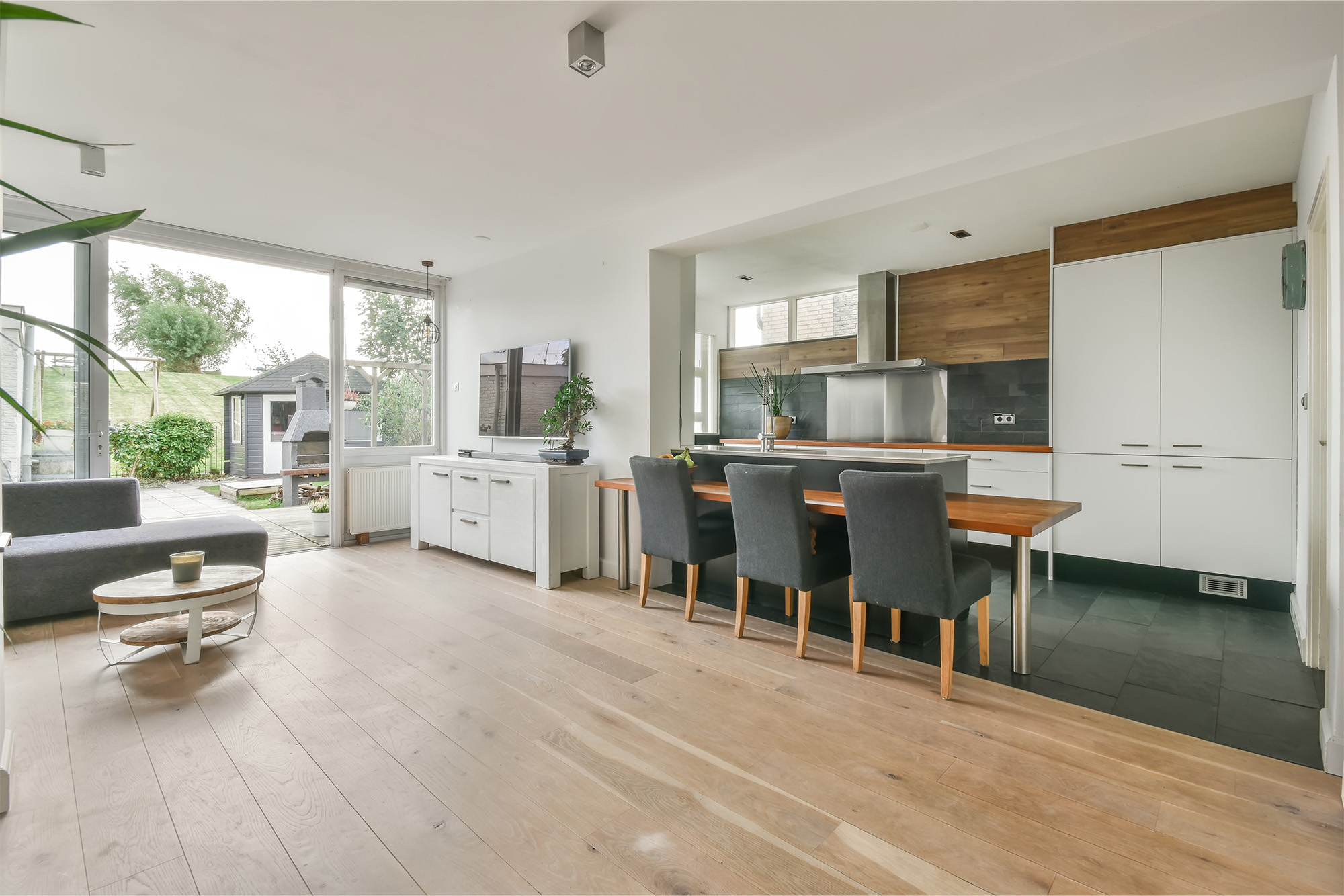
When you walk into a room, the flooring is often the first thing you notice. It sets the tone, defines the style, and provides the foundation for your entire interior design. For many homeowners in Diamond, IL, and the surrounding areas like Coal City and Morris, hardwood flooring remains the gold standard of elegance and durability. However, choosing the right hardwood is more than just picking a color you like. It’s about understanding wood species, grain patterns, finishes, and how they interact with the specific climate of Illinois. At West Flooring Company, we’ve spent decades helping families navigate these choices to find floors that last a lifetime.
Understanding Solid vs. Engineered Hardwood
The first decision any homeowner faces is whether to go with solid or engineered hardwood. This is often where the most confusion lies. Solid hardwood is exactly what it sounds like: a single piece of wood from top to bottom, usually about $3/4$ of an inch thick. It is the classic choice that can be sanded and refinished many times over decades. However, solid wood is "reactive." It breathes. When the humid Illinois summers hit, solid wood absorbs moisture and expands. In the dry winters, it contracts. This can lead to gaps or "cupping" if the home's climate isn't perfectly controlled.
Engineered hardwood, on the other hand, is a marvel of modern engineering. It consists of a real wood veneer (the "wear layer") on top of multiple layers of high-quality plywood or HDF that are stacked in a cross-grain configuration. This structure makes it incredibly stable. It resists the movement caused by humidity fluctuations, making it the superior choice for basements, homes with crawl spaces, or installations over radiant heating systems. If you are looking for About Us info on our expertise, you’ll find that we specialize in helping you determine which structure is right for your specific subfloor and lifestyle.
Choosing the Right Species for Your Lifestyle
Not all wood is created equal in terms of hardness. The Janka Scale measures the resistance of a wood species to denting and wear. Understanding this scale is vital if you have a busy household.
Oak (Red and White): The most popular choice in the Midwest. Red Oak has warmer tones and a more porous grain, while White Oak is slightly harder, more water-resistant, and features cooler, gray/brown undertones.
Maple: Harder than oak but with a very subtle, uniform grain. Because it is so dense, it doesn't always take dark stains evenly, making it perfect for natural, light, or modern minimalist finishes.
Hickory: One of the hardest domestic woods available. If you have large dogs or active children, hickory’s extreme durability and dramatic color variations (from blonde to deep brown) make it a top contender for high-traffic areas.
Exotics (Brazilian Cherry, Tigerwood): These offer unique colors and incredible hardness, though they are often more sensitive to light and can change color over time.
The Nuances of Texture and Finish
Once you've picked a species, you have to decide on the "face" of the wood.
Smooth: A classic, sanded-flat look that reflects light beautifully.
Hand-Scraped: This adds a rustic, aged feel. The best part? It’s incredibly forgiving. If your dog scratches the floor or a child drops a toy, the mark simply blends into the existing texture.
Wire-Brushed: This removes the soft grain from the top of the wood, leaving the hard grain exposed. It creates a matte, textured look that hides dust and small scratches exceptionally well.
The finish is your floor's suit of armor. Most modern pre-finished floors use a UV-cured urethane with aluminum oxide, which is incredibly tough. However, some homeowners prefer an oil finish, which penetrates the wood. While oil finishes require more frequent maintenance, they allow for "spot repairs," meaning you can fix a scratch in the middle of the room without refinishing the entire floor.
The Importance of Professional Installation
You can buy the most expensive wood in the world, but if it isn’t installed correctly, it won't last. Proper acclimation is the most skipped step by DIYers and cut-rate contractors. Before we begin an installation, the wood must sit in your home—out of the box—for several days to adjust to the home's specific moisture levels. Our team at West Flooring Company uses professional moisture meters to test both the subfloor and the hardwood before a single nail is driven. We ensure expansion gaps are perfectly calculated so your floors don't buckle when the seasons change.
Maintaining Your Investment for Decades
Hardwood is an investment that should last 50 to 100 years. To ensure this, you must protect the finish. We recommend:
Microfiber Only: Use a dry or slightly damp microfiber mop. Never use a steam mop on hardwood, as the heat and moisture can force their way into the grain and destroy the wood.
The "No-Shoe" Policy: Grit and sand on the bottom of shoes act like sandpaper on your finish.
Area Rugs: Place rugs in high-traffic zones and under furniture. Ensure the rugs have a "breathable" backing to prevent discoloration.
Whether you are remodeling a historic home in Morris or building a new modern farmhouse in Diamond, the right hardwood makes all the difference. We invite you to visit our showroom to feel the textures and see the colors in person. Our family-owned team is ready to guide you through every step.
Ready to transform your home with the timeless beauty of real wood? Contact West Flooring Company today to schedule your free in-home estimate and visit our Diamond, IL showroom!


