

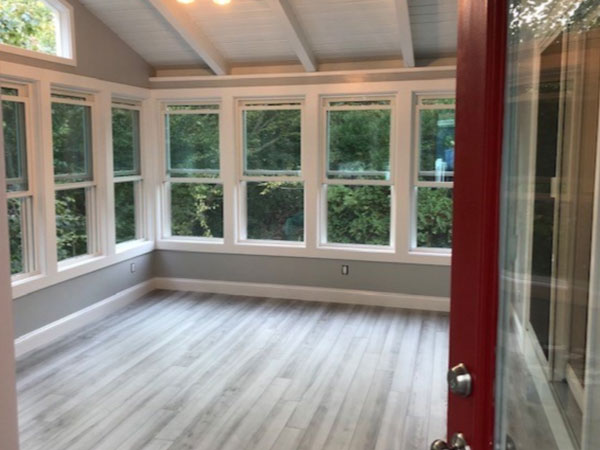
Embarking on a home remodeling project is an exciting venture that completely revitalizes your living space. Whether you are replacing worn-out bedroom carpeting with plush new fibers or laying down premium hardwood across your entire main floor, proper preparation is the absolute key to a flawless result. Many homeowners focus entirely on selecting the material and color, overlooking the essential preparation steps required before the installation crew arrives. Taking the time to understand the checklist of pre-installation requirements ensures a smooth, efficient process and guarantees the long-term performance of your investment.
Managing Subfloor Preparation and Environmental Acclimation
The secret to a long-lasting, level floor lies entirely beneath the surface. Before any new material can be installed, the existing subfloor must be thoroughly inspected, cleaned, and leveled.
Check for Levelness: Any low spots or high ridges in a concrete or wood subfloor will cause floating floors to flex, click, or separate over time. Professional installers use leveling compounds to ensure a completely flat base.
Prioritize Moisture Testing: Moisture is the primary enemy of new flooring. Testing the relative humidity of concrete slabs or wood joists prevents future adhesive failures or wood warping.
Allow Time for Acclimation: Hardwood and laminate flooring must acclimate to your home's controlled indoor climate for several days prior to installation. Skipping this step leads to extreme expanding or shrinking after the floor is secured.
Practical Steps for Homeowners on Installation Day
To facilitate a fast and safe installation environment, there are several tasks homeowners should complete ahead of time. All furniture, electronics, and fragile decor must be completely removed from the workspace.
Additionally, clearing out the bottoms of closets is necessary if those spaces are being refloored. It is also wise to remove low-hanging wall art or mirrors, as the vibrations from removing old flooring and nailing down new planks can occasionally cause items to shift or fall.
Securing Peace of Mind with Professional Craftsmanship
While a DIY approach might seem tempting, complex flooring installations require precise tools, accurate subfloor assessment, and deep industry knowledge to protect product warranties. Entrusting your home to an established, family-owned business guarantees that every transition, molding, and underlayment is executed to the highest trade standards. Our dedicated company history and steadfast commitment to delivering exceptional customer service across the region are outlined in detail on our About Us page.


